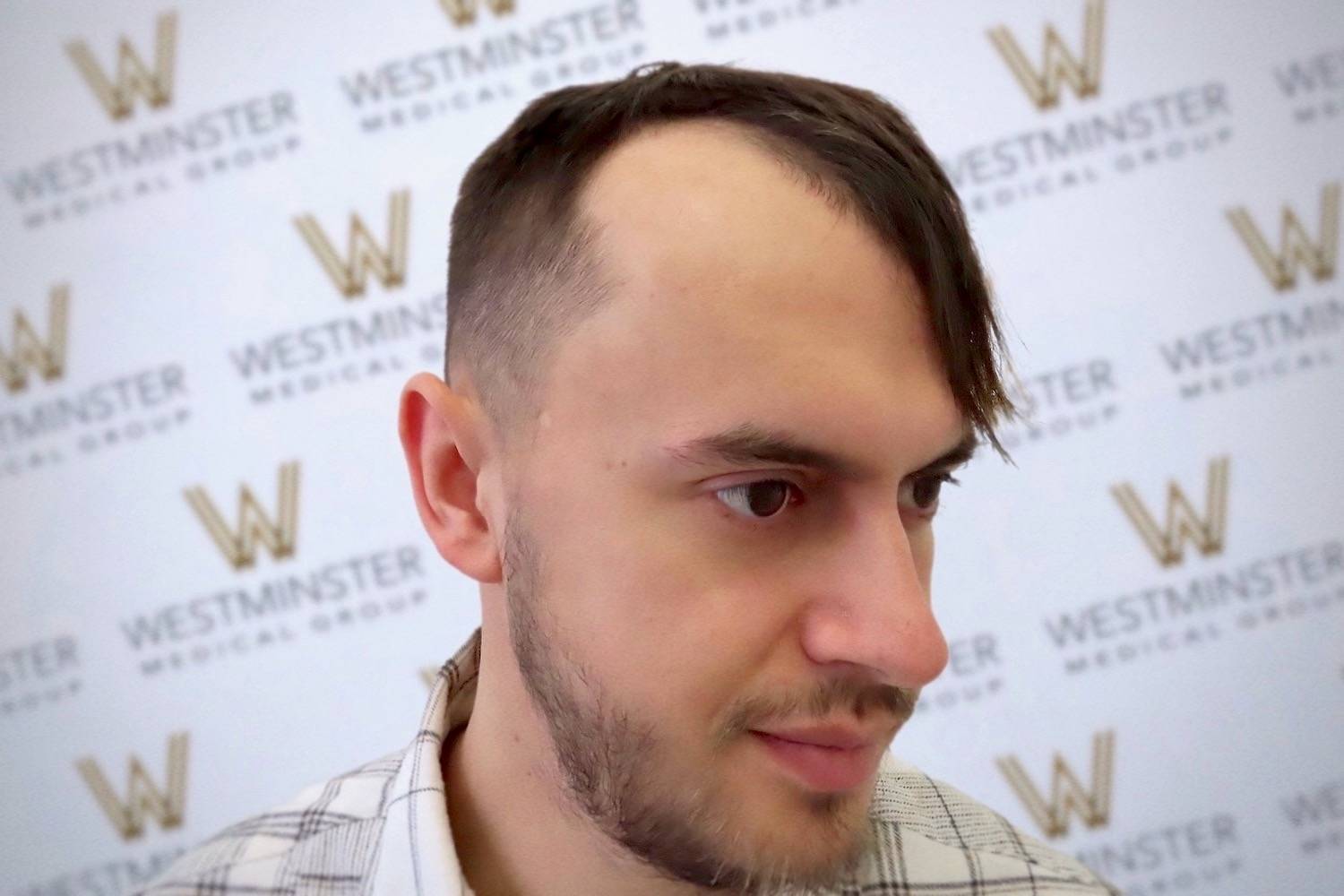
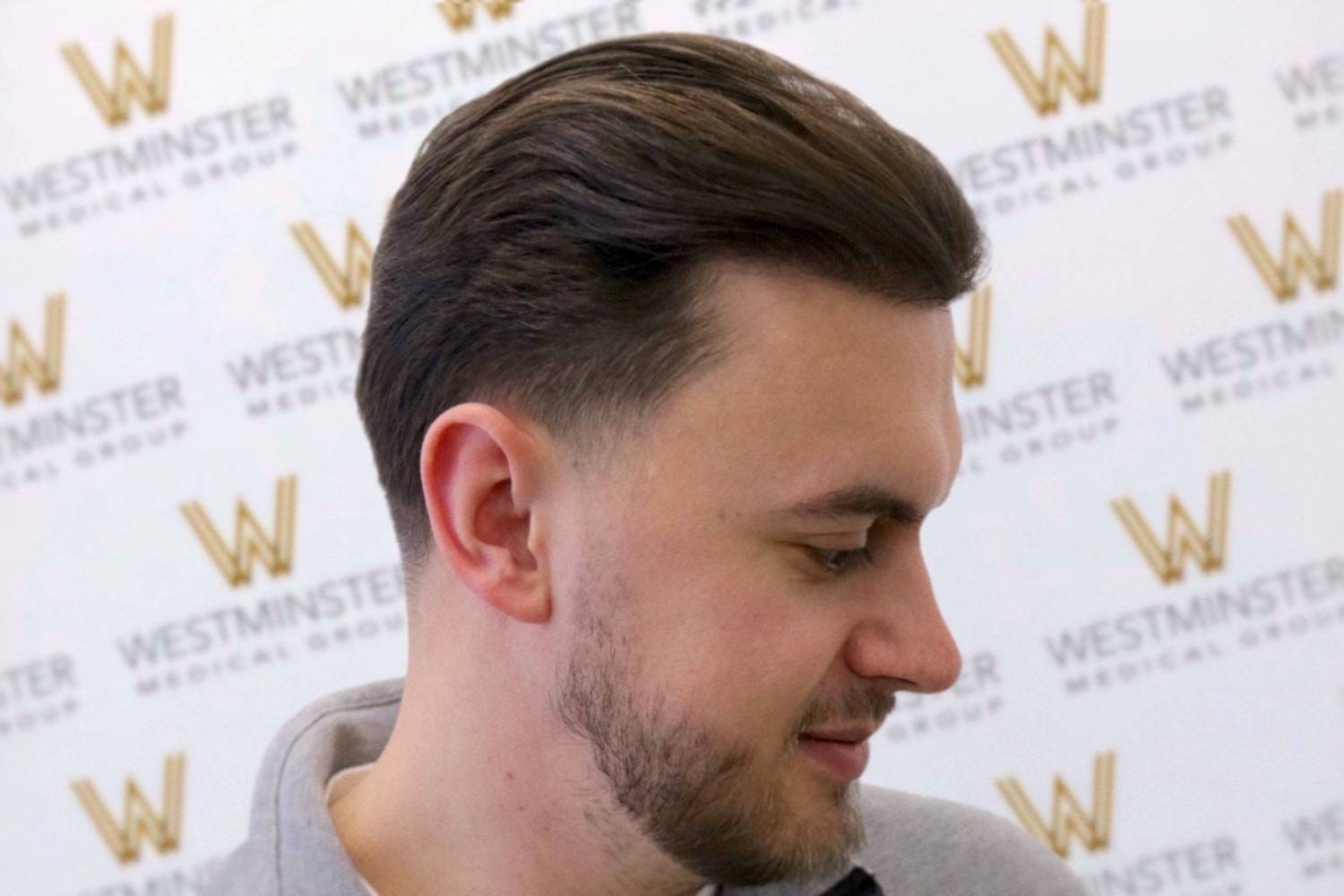
Hair Transplant Recovery Timeline: Week-by-Week Guide for UK Patients
Undergoing a hair transplant is a life-changing decision for many men and women across the UK dealing with hair loss. Whether you’ve chosen FUE (Follicular Unit Excision) at a leading Harley Street clinic like Westminster Medical Group (WMG London), understanding the hair transplant recovery process is essential for realistic expectations and optimal results.
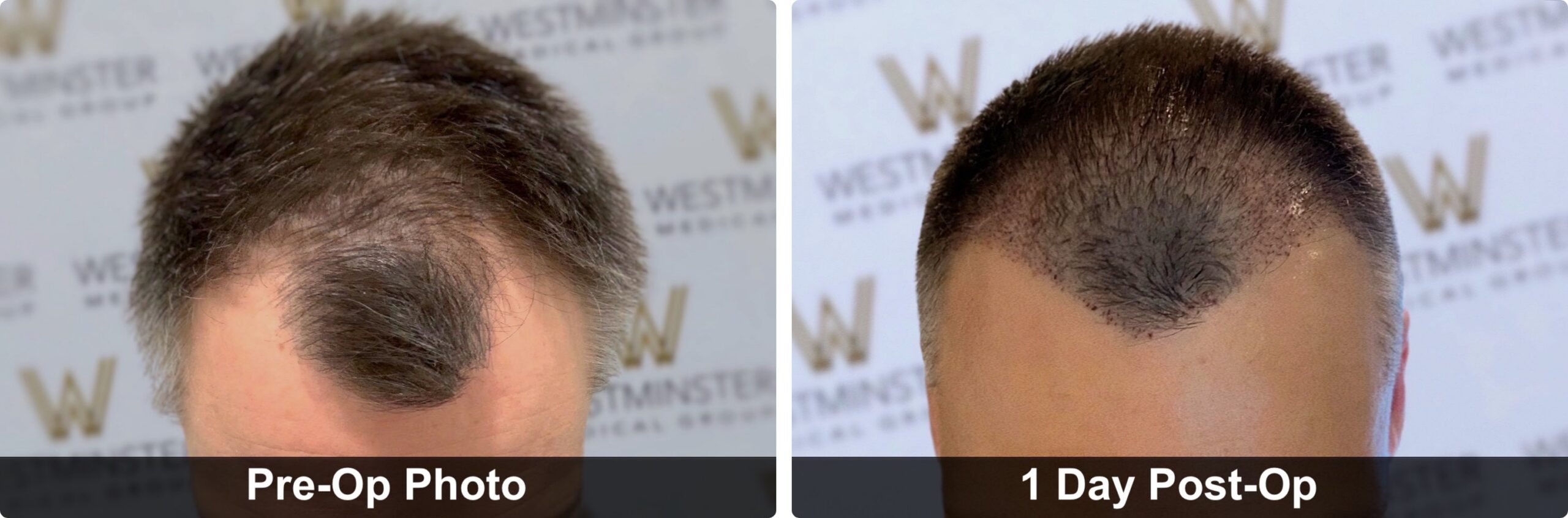
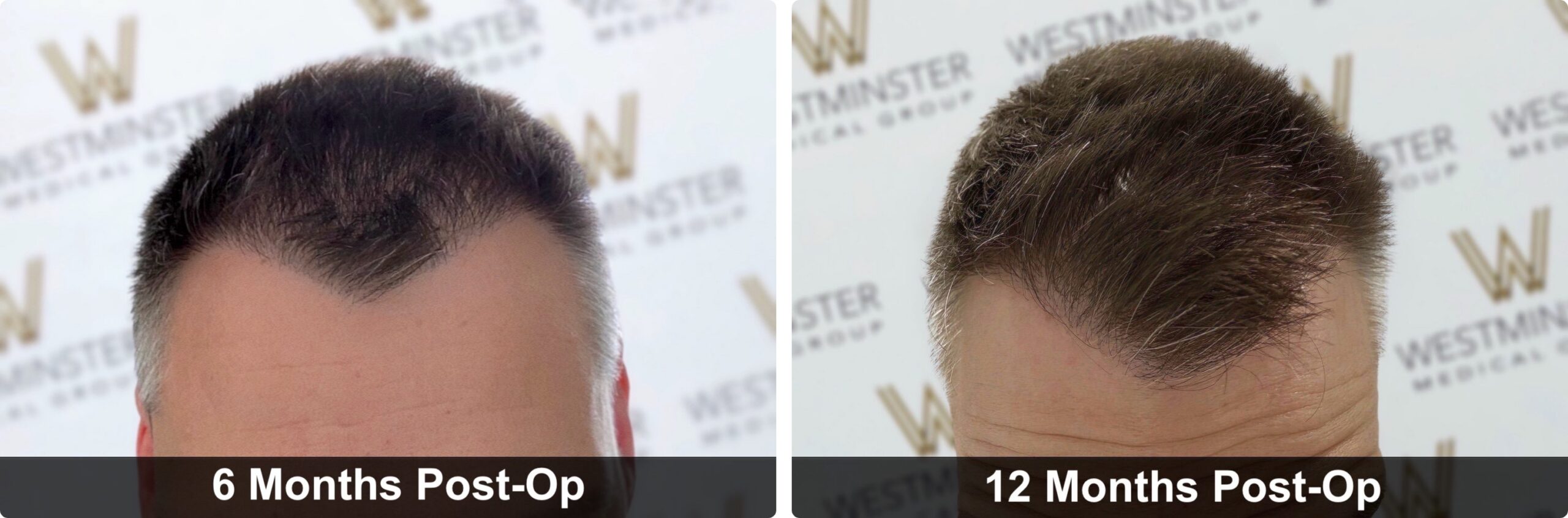
This comprehensive hair transplant recovery timeline breaks down exactly what to expect week by week and month by month. It also covers essential hair transplant aftercare UK guidelines tailored to private clinic patients. Most patients return to work within 5–7 days with minimal visible signs thanks to professional aftercare, and full, natural-looking results emerge by 12–18 months.
Following your surgeon’s personalised instructions, and using the aftercare kit provided – dramatically improves graft survival and comfort. At WMG London, patients receive a complete aftercare package (saline spray, oil, shampoo, and written instructions) plus optional Back-to-Work Hair Washes that remove up to 90% of visible effects by day 7.
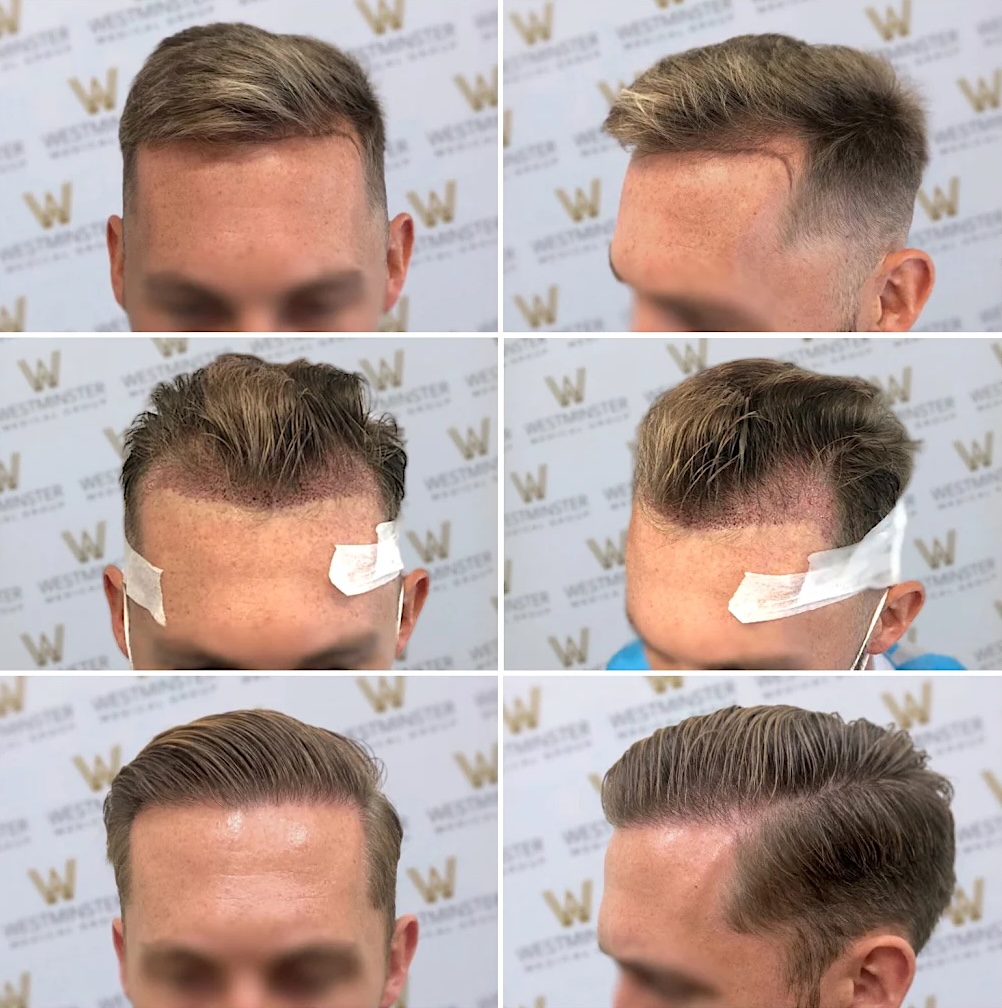
The First 24-48 Hours: Immediate Post-Op Care
The first two days are the most critical for protecting newly implanted grafts.
-
- What you’ll experience: Mild tenderness, possible forehead swelling (rare and usually resolves in 2–5 days), and small scabs forming around each graft. Some redness in the recipient area is normal.
-
- Key aftercare:
-
- Sleep with your head elevated at a 45-degree angle (use 2-4 pillows or a travel neck pillow).
-
- Spray the recipient area frequently with the saline solution provided – this keeps grafts hydrated, prevents scabbing, and reduces itching.
-
- Avoid touching, rubbing, or scratching the scalp.
-
- No alcohol, smoking, or blood-thinning medications (e.g., aspirin) for at least 48 hours.
-
- Light activities only; no bending, heavy lifting, or exercise.
-
- Tip for UK patients: Many WMG London patients have 2-3 days to relax following the procedure, before becoming more active again.
Pain is usually minimal; standard paracetamol or ibuprofen is sufficient if needed.
Week 1: Initial Healing and Scab Formation (Days 1-7)
This is the “visible healing” phase. Grafts become secure by days 7–10.
-
- What you’ll see: Redness, scabbing/crusting, and possible mild swelling. The donor area (usually the back of the head) may feel tight or numb temporarily.
-
- What to do:
-
- Begin gentle washing as instructed (typically from day 3-7 with the provided shampoo – no rubbing, just gently dabbing).
-
- Attend a professional hair wash at your clinic if offered (WMG’s Back-to-Work service makes most patients camera-ready by day 7).
-
- Continue saline sprays and avoid direct sunlight, saunas, or swimming pools.
-
- Most patients return to desk-based work in London or elsewhere in the UK by days 7-8.
By the end of week 1, scabs are forming but still present. Do not pick at them.
Week 2: Scab Shedding and Visible Improvement
The scalp starts looking more normal.
-
- What you’ll experience: Scabs begin falling off naturally. Redness fades significantly. Some transplanted hairs may start shedding – this is not graft failure.
-
- Key advice:
-
- Continue gentle daily washing.
-
- You can usually wear a loose cap if needed (ask your surgeon).
-
- Avoid strenuous exercise, helmets, or anything that rubs the scalp.
-
- Light cardio (walking) is usually fine after day 10-14.
Most patients feel confident returning to social and professional life in the UK by the end of week 2.
Weeks 3-4: The Shock Loss Phase
Don’t panic – this is completely normal.
-
- What happens: “Shock loss” (temporary shedding of transplanted hairs) peaks. The scalp looks thinner, but the follicles remain alive beneath the surface.
-
- Appearance: Redness is mostly gone. The area looks like it did pre-surgery.
-
- Aftercare:
-
- Resume normal hair washing routine.
-
- Light exercise and gym work are usually permitted (no contact sports or heavy sweating).
-
- Avoid hair products, dyes, or heat styling until cleared by your clinic.
By week 4, the scalp has largely healed externally. You’re in the “resting phase.”
Months 1-3: The Quiet Resting Period
The “waiting game” – but your follicles are preparing for new growth.
-
- What to expect: No visible growth yet. Any remaining shed hairs finish falling. The scalp looks completely normal.
-
- Lifestyle: You can return to all normal activities, including exercise, swimming, and wearing hats. Continue a healthy diet rich in protein, vitamins (especially biotin, zinc, and vitamin D), and stay hydrated.
-
- WMG tip: Keep in touch with your clinic and send progress photos if requested.
This phase tests patience, but it’s when the real magic begins internally.
Months 3-6: Early Growth Emerges
The exciting phase for UK patients!
-
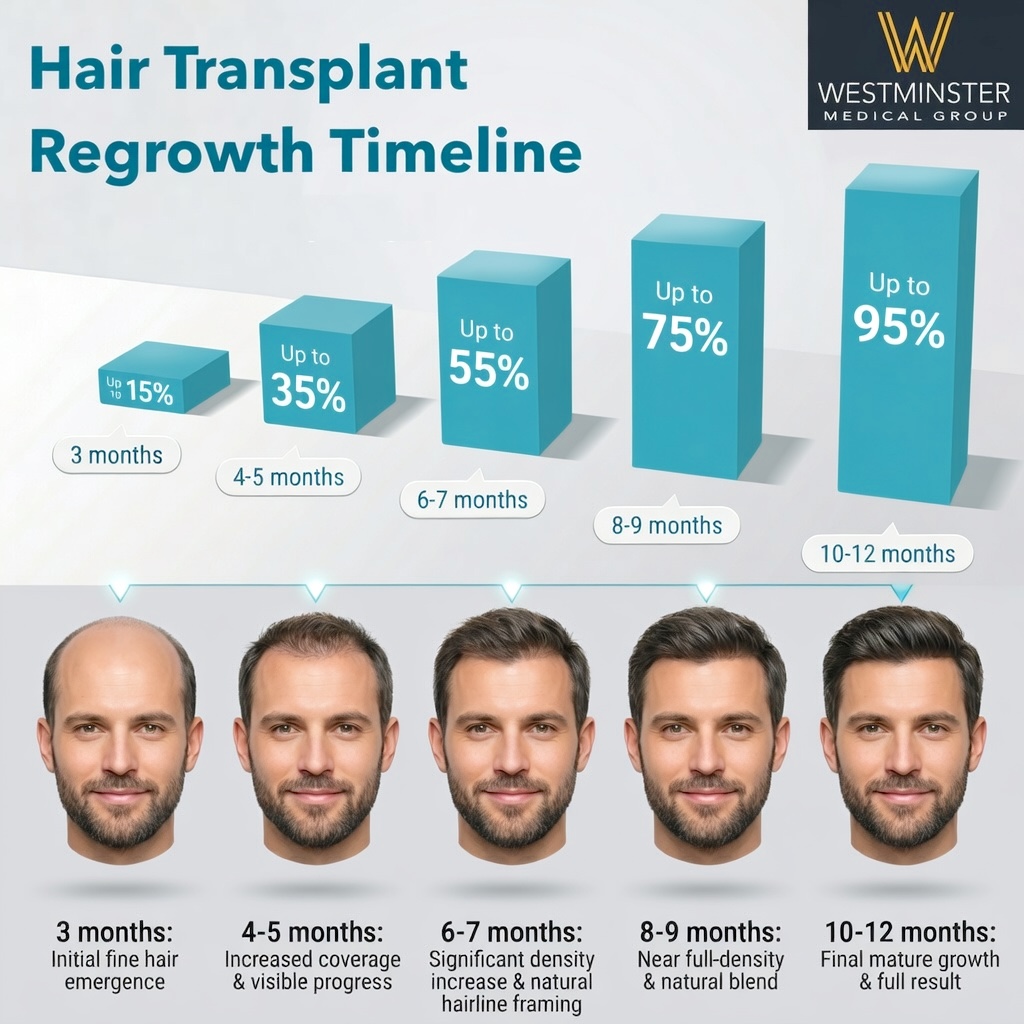
- Month 3-4: First fine “baby hairs” appear (often 20-30% of final growth). They may be thinner or lighter initially.
-
- Month 5-6: Hair thickens and gains pigment. Up to 50% of final density is visible by month 6 at many clinics.
-
- What to do: Gentle styling is fine. Some patients start minoxidil (if recommended) around month 3–4 – always check with your surgeon.
Months 6-9: Noticeable Density and Natural Look
Significant transformation occurs.
-
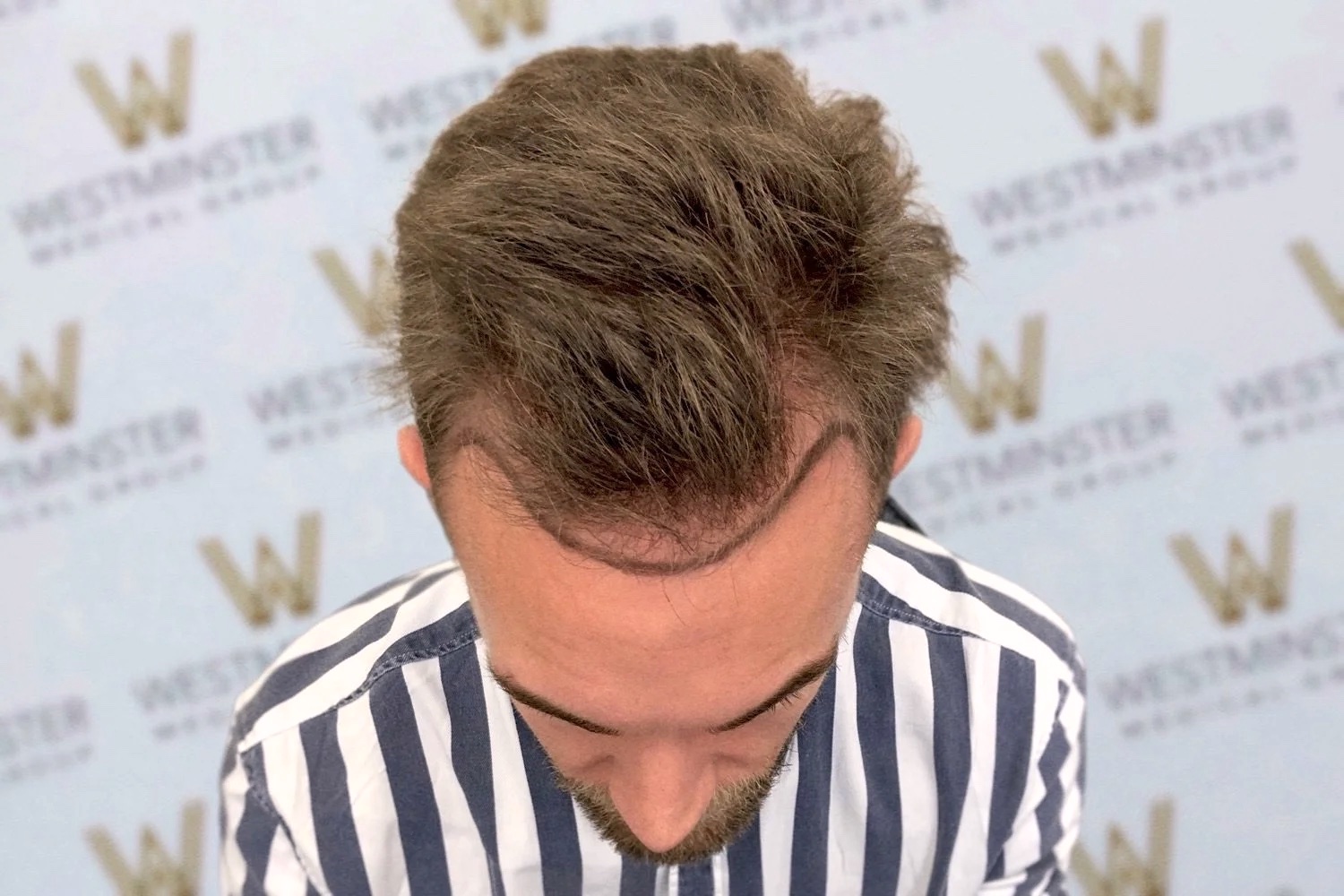
- Hair becomes thicker, stronger, and blends seamlessly with existing hair.
-
- You can style, cut, and treat it like normal hair.
-
- Crown results (if transplanted) may lag slightly behind the hairline.
Months 9–12: Final Results Take Shape
-
- What you’ll see: 80-90% of final growth. Hair matures in texture and density.
-
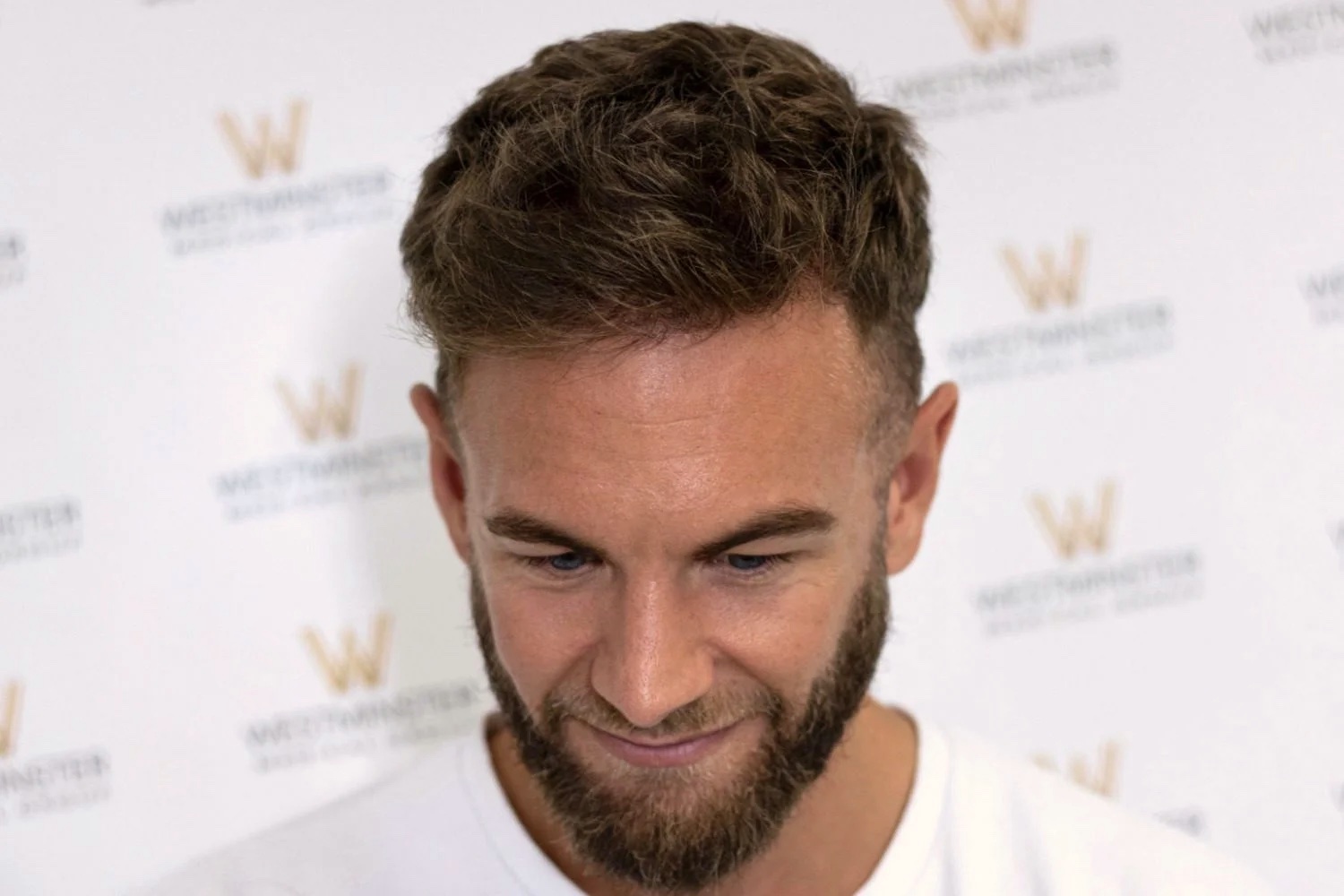
- Full results are typically visible by 12 months, though the crown can take up to 18 months in some cases.
Month 12+: Full Maturation
Transplanted hair continues to thicken and mature up to 18 months post-op. Attend your 12-month follow-up (standard at WMG London) for final assessment and any touch-up advice.
Essential Hair Transplant Aftercare UK Tips
Follow these universal guidelines plus your clinic’s specific protocol:
-
- Washing: Use the provided gentle shampoo. Pat dry – never rub.
-
- Avoid: Smoking, alcohol (first 7-14 days), direct sun (wear a hat), swimming pools, saunas, and heavy exercise for 2-4 weeks.
-
- Products: Your clinic kit (saline spray, oil, shampoo) is formulated for grafts. No regular hair products for the first 2-4 weeks.
-
- Sleep: Elevated position for first 3-5 nights.
-
- Follow-ups: Book 6-month and 12-month reviews – crucial for monitoring progress.
WMG London patients benefit from personalised routines and dedicated aftercare support, making recovery smoother than at many clinics.
When to Contact Your Clinic
Reach out immediately if you notice:
-
- Excessive swelling or pus
-
- Severe pain not relieved by medication
-
- Bleeding that doesn’t stop
-
- Signs of graft dislodgement
At WMG London we offer excellent post-op support – never hesitate to call.